Wimbledon Village man with van for narrow street moves
Posted on 27/07/2026
Moving in Wimbledon Village can feel straightforward on paper and oddly fiddly in real life. The streets are charming, yes, but many are also tight, parked-up, and unforgiving when a larger van tries to squeeze through at the wrong time of day. That is exactly why a Wimbledon Village man with van for narrow street moves is such a useful option: you get the flexibility of a smaller vehicle, a practical loading plan, and a team that understands how to work around access issues without turning the day into a traffic jam.
If you are shifting a flat, moving a few heavy pieces, or trying to complete a short-notice move with minimal disruption, the details matter. Which van size actually fits? Where can it stop safely? How do you protect furniture on a street where every extra metre counts? This guide walks you through the full picture, from planning and permissions to the small things that make a move smoother, calmer, and less expensive than a last-minute scramble.
Why Wimbledon Village man with van for narrow street moves Matters
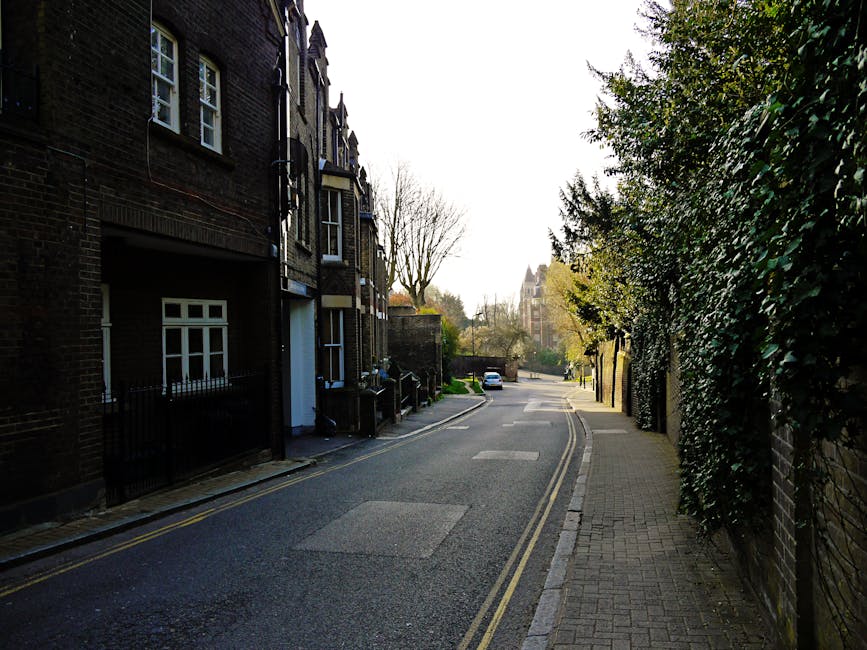
Wimbledon Village has a particular kind of character. It is leafy, attractive, and often busier than people expect once a move is underway. Narrow access roads, close-set parked cars, bends that do not love large vehicles, and the general reality of London timing all add up. A standard removals lorry can be the wrong fit for that environment. Sometimes it is simply too bulky; other times it can add stress, delay, or unnecessary shuttling.
That is why the smaller, more agile man and van approach works so well here. It is not just about having a van. It is about having a driver and mover who can judge if a street can realistically handle the vehicle, where to pause without causing problems, and how to load efficiently so fewer trips are needed. In a place like Wimbledon Village, those little judgments make all the difference.
You will notice this especially when moving from upper-floor flats, mews-style homes, or properties with limited frontage. The road may look manageable from a distance, then suddenly become awkward once you are actually there. A good local mover understands that reality before the first box is lifted. That is the real value here: fewer surprises, less wasted time, and a move that feels planned rather than improvised.
Expert summary: For narrow streets, the best move is usually not the biggest vehicle. It is the one that can reach the property safely, load efficiently, and keep the day moving without drama.
For readers comparing options, it may help to look at the broader range of moving services available in Wimbledon and then decide whether a smaller van-based move, full removals support, or temporary storage is the right fit. If you are relocating between flats, the flat removals Wimbledon service can be especially relevant, while larger household moves may be better matched to house removals Wimbledon.
How Wimbledon Village man with van for narrow street moves Works
The process is usually simpler than people imagine, but it needs discipline. First comes access planning. A mover will want to know the property type, the road width, parking situation, floor level, and whether there is a loading bay, a driveway, or just street parking. Then comes vehicle selection. A compact or medium van is often the smartest choice when the street is tight or when manoeuvring space is limited.
On the day, the aim is to position the van as close as possible without blocking traffic or creating a risk. From there, the movers use a practical loading sequence. Heavy items go in first, delicate pieces are protected, and the van is packed so the load does not shift during the journey. If access is too restricted for the van to sit right outside, a short carry from the property to a safer parking point may be needed. That is not ideal, but it is often manageable if the team is prepared.
In our experience, the best narrow-street moves do not feel rushed. They feel measured. Someone checks the route, someone else keeps an eye on the load, and small decisions are made before they become problems. Truth be told, that is what separates a competent move from a stressful one.
If you want a broader picture of what this kind of service typically includes, the man with a van Wimbledon page is a useful starting point, while the wider man and van Wimbledon option is often worth considering when you need extra hands but not a full-scale removal crew.
Key Benefits and Practical Advantages
The appeal of a smaller vehicle is not hard to grasp, but the benefits go beyond "it fits better." When access is tight, each minute saved on parking, reversing, or shuffling furniture through a narrow gap reduces the chance of damage and friction. That matters on residential streets where neighbours still need to pass, bins still need to be collected, and someone's sports car is always parked inconveniently near the one useful corner. Funny how that happens, isn't it?
Here are the most practical advantages:
- Better access: A smaller van can handle tighter turns, narrow entrances, and awkward roadside positions more easily.
- Less disruption: Shorter loading and unloading windows reduce the time your move affects the street.
- More flexible timing: A man with van service can often be booked for smaller or shorter jobs without the overhead of a full crew.
- Cost control: If you are moving only part of a household, a compact van can be more efficient than paying for a large vehicle you do not need.
- Lower stress for local moves: When access is awkward, a nimble approach often feels much calmer for everyone involved.
It is also useful when you are moving a mix of everyday items and one or two bulky pieces. For example, if you are taking a sofa, a bed frame, and boxed essentials from a village flat to a nearby house, a full removals package may be more than you need. A more tailored move can be the better commercial and practical choice.
For furniture-heavy jobs, the dedicated furniture removals Wimbledon service may suit you better. And if your move is tied to an academic schedule or term-time turnover, student removals Wimbledon can be a sensible fit, especially when time is short and budgets are tighter.
Who This Is For and When It Makes Sense
This type of move suits more people than you might think. It is not just for students or people with a handful of boxes. In Wimbledon Village, it is often the best option for anyone dealing with limited access and a relatively modest load.
It makes sense if you are:
- moving in or out of a flat with difficult street access
- relocating a small household or one-bedroom property
- transporting furniture purchased locally
- moving between nearby streets and want a quick, low-fuss service
- needing help with a partial move before a larger relocation later
- working around school runs, parking restrictions, or busy local traffic
It can also be a very good choice if you are in between homes and need items moved into short-term storage. That is where a service like storage Wimbledon can make life a bit easier, especially if completion dates are not lining up neatly. They rarely do, to be fair.
Sometimes the right answer is not the biggest vehicle or the cheapest vehicle. It is the one that matches the shape of the job. If you are unsure, ask yourself: how much do I really need moved, and how awkward is the access? Those two questions usually point you in the right direction.
Step-by-Step Guidance
If you want the day to run well, start earlier than you think. Narrow street moves reward preparation. Here is a straightforward way to approach it.
- Survey the access. Check the street width, parking conditions, any low branches, and whether large vehicles can reasonably stop outside.
- List what is moving. Separate essentials, furniture, fragile items, and anything going into storage.
- Measure awkward pieces. Sofas, wardrobes, mirrors, and beds often create issues at doorways and stairwells, not just on the pavement.
- Choose the right vehicle size. A smaller van is often safer than a larger one in a narrow lane.
- Pack with the route in mind. Put the items you will need first near the door or at the top of the load plan.
- Protect fragile surfaces. Use blankets, wrap, and proper corner protection where needed.
- Confirm timing. Morning, school-run periods, and peak parking times can change the feel of a street entirely.
- Keep communication open. A quick call or message on the day can stop confusion before it starts.
If you are moving office items, the process is similar but usually more about minimising downtime. In that case, office removals Wimbledon or the broader removal services Wimbledon page may be more appropriate. A business move has its own rhythm, and not much patience for avoidable delays.
One small but helpful tip: do not leave parking decisions until the last minute. A van arriving to find no sensible stopping point can turn a calm move into a day of circling the block. Nobody enjoys that, least of all the people carrying a mattress in the drizzle.
Expert Tips for Better Results
The best narrow-street moves are not complicated, but they are thoughtful. A few professional habits make a surprisingly big difference.
- Use the smallest workable van, not the smallest possible one. There is a difference. Too little space means more trips and more handling.
- Pre-label boxes by room. It sounds basic because it is, and basic things save time.
- Leave a clear landing area. The first metre inside the property is often where moves get messy.
- Disassemble only when it helps. Not every bed or table needs stripping down, but some absolutely should.
- Check access at both ends. A tight street at collection and a tight street at delivery can change the plan completely.
- Account for weather. Rain on a narrow pavement adds slip risk and slows the handover. A bit of cover helps more than people expect.
There is also a social side to local moving that people underestimate. In Wimbledon Village, a respectful approach matters. Keep walkways clear where possible, avoid blocking driveways, and do not assume the street is yours for the afternoon. That kind of consideration keeps the day smoother and, honestly, makes the neighbours less likely to give you the sort of look that says "really?"
If your move involves fragile or sentimental items, it may be worth using specialist help rather than trying to improvise. The piano removals Wimbledon service exists for a reason: some items are too awkward, heavy, or valuable for casual handling. And if you are planning well ahead, sensible packing support from packing and boxes Wimbledon can save a lot of last-minute stress.
Common Mistakes to Avoid
Most moving problems are not dramatic. They are small mistakes that snowball. The good news? Nearly all of them are avoidable.
- Booking a van that is too large for the road. It sounds efficient until the vehicle cannot position safely.
- Underestimating parking restrictions. A road that looks free at 7 a.m. may be crowded by 9 a.m.
- Not measuring furniture properly. That wardrobe may be fine in the room, but not on the stair turn.
- Leaving packing until the morning of the move. This one creates avoidable chaos. Every time.
- Forgetting the route from front door to van. Narrow hallways, steps, and tight corners matter just as much as the street itself.
- Choosing price alone. The cheapest quote can become expensive if the job needs repeated handling or extra time.
Another common one is assuming every small move is easy. It is not. A two-room flat on a tight street can be more complicated than a larger house with a driveway. The street itself is often the real challenge, not the quantity of belongings.
If you want broader reassurance on how providers present their service quality and policies, it is worth looking at their insurance and safety information as well as their health and safety policy. Those pages often tell you more about the standard of operation than a polished sales line ever will.
Tools, Resources and Recommendations
You do not need a van full of gadgets to move well, but a few practical tools make narrow-street work much smoother. The aim is control, protection, and speed without rushing.
| Tool or resource | Why it helps | Best used for |
|---|---|---|
| Furniture blankets | Protects wood, paint, and edges during loading | Sofas, tables, wardrobes, and appliances |
| Ratchet straps | Stops items shifting while the van is moving | Mixed loads and awkwardly shaped furniture |
| Boxes with clear labels | Makes unloading faster and less chaotic | Room-by-room household moves |
| Trolley or sack barrow | Reduces lifting strain on longer carries | Heavy boxes and appliances |
| Access notes | Helps the mover plan vehicle position and timing | Any narrow street move |
One recommendation that is often overlooked: take a few photos of the access points before moving day. Nothing fancy. Just enough to show the driveway, street width, door steps, or any tight bends. It helps a mover picture the job before they arrive. A lot of awkwardness can be avoided that way.
If you need a wider service landing page to understand the available moving options, the removals Wimbledon page is useful, and if the move is short notice, same day removals Wimbledon may be relevant. Not every move can be scheduled weeks ahead, after all.
Law, Compliance, Standards, or Best Practice
For this kind of move, compliance is mostly about safe, lawful, considerate working rather than complex legal jargon. You do not need to become a transport expert. You do, however, want a mover who behaves like one.
Good practice usually includes:
- parking safely and not causing avoidable obstruction
- keeping walkways clear where possible
- handling goods carefully to reduce damage risk
- using appropriate lifting methods to protect people and property
- being transparent about what the service does and does not include
- respecting building rules, shared entrances, and neighbours
Where access is tight, a sensible mover will also think about insurance coverage, property protection, and whether specialist handling is required for awkward items. It is fair to ask those questions. In fact, you should ask them. A trustworthy operator will answer plainly rather than wrapping everything in sales language.
For more context on how a company frames its responsibilities, you may want to review the about us page, along with the company's terms and conditions and payment and security information. If you care about practical standards, those pages matter. A lot.
Options, Methods, or Comparison Table
Choosing the right moving method comes down to volume, access, urgency, and how much physical help you need. Here is a simple comparison that reflects the real decision-making people face in Wimbledon Village.
| Option | Best for | Strengths | Limitations |
|---|---|---|---|
| Man with van | Small to medium moves, narrow streets, short distance relocations | Flexible, agile, usually cost-conscious | Less suited to very large house moves |
| Full removals team | Larger homes, multiple bulky items, longer or more complex moves | More manpower, better for heavy loads | May be more than needed for a compact move |
| Van-only hire | People who can load and unload themselves | Potentially cheaper | You do the heavy lifting, which is not for everyone |
| Storage plus staged move | Moves with uncertain dates or split handovers | Helps bridge timing gaps | Can add an extra step and extra planning |
For many Wimbledon Village residents, the sweet spot is a man and van service with enough loading support to handle furniture properly, but without the scale of a full removals crew. That mix tends to work very well when streets are tight and the move is local.
If your move is mostly furniture-related, again, furniture removals Wimbledon may be the cleaner fit. If you are moving a complete property, a more comprehensive removal companies Wimbledon option may be better value in the long run. Not always, but often.
Case Study or Real-World Example
Picture a typical Wimbledon Village move on a dry weekday morning. It is a first-floor flat with a narrow staircase, a couple of large pieces of furniture, several labelled boxes, and a road where parking is always slightly optimistic. The resident wants to move locally, not across the city, and cannot risk a big vehicle blocking the street.
In that kind of scenario, a compact van is parked at the nearest sensible point rather than directly outside the front door. One mover carries boxes in sequence, another handles the sofa and dismantled bed frame, and the driver keeps the route clear so the van can depart quickly once loading is done. There is no grand drama. Just method.
What makes the move succeed is not luck. It is the combination of planning, the right vehicle size, and realistic expectations. A smaller van means less manoeuvring stress. Good packing means quicker loading. Clear communication means nobody is standing around wondering what happens next. And yes, there is usually one item that is a bit more awkward than expected. There always is.
This is also where local awareness helps. A mover familiar with the area knows which streets are less forgiving and how quickly a short stop can turn into an inconvenience. That small bit of local judgment saves time and keeps the day calmer, especially when neighbours are coming and going and the road is doing its usual London thing.
Practical Checklist
Use this checklist before booking and before the van arrives. It keeps the move grounded and stops the little things from becoming expensive little things.
- Confirm the exact pickup and drop-off addresses
- Check whether the street can handle a compact or medium van
- Measure your largest items and note any awkward corners
- Decide what is moving, what is staying, and what goes into storage
- Pack fragile items separately and label them clearly
- Reserve a clear access path inside the property
- Have keys, building codes, and contact details ready
- Ask about insurance, loading help, and any extra charges beforehand
- Photograph anything valuable or easily damaged before the move
- Keep water, chargers, and essentials to one side for the journey
Quick takeaway: for narrow-street moves in Wimbledon Village, success comes from matching the vehicle, the access, and the load. Get those three right and the day usually feels far more manageable.
If you are still weighing up the best route, browsing the local pricing and quotes information can help you compare the likely shape of the job without committing too early.
Conclusion
A Wimbledon Village move does not need to be complicated, even when the streets are narrow and the parking is awkward. The key is choosing a moving approach that respects the realities of the area. A well-planned man with van service gives you flexibility, local know-how, and a practical way to move without forcing a larger vehicle into a space that does not want one.
Whether you are moving a few key pieces, relocating a flat, or bridging a storage gap, the winning formula is usually the same: measure carefully, pack sensibly, communicate clearly, and keep the vehicle choice realistic. That is what turns a potentially frustrating day into a manageable one. And sometimes, just that little bit calmer.
Get a free quote today and see how much you can save.
For anyone moving around the Village, a thoughtful plan is still the best moving tool of all. It saves time, reduces stress, and leaves you with the good kind of tired at the end of the day.